Introduction
In the busy setting of education and learning, making sure the health and safety of children is critical. As teachers, it's critical to be planned for emergencies, specifically when it concerns kid defibrillation. This post looks into Child Defibrillation Advice: What Every Teacher Demands to Know, covering essential emergency treatment protocols, event coverage procedures, and techniques for constructing educator confidence in emergency situations.
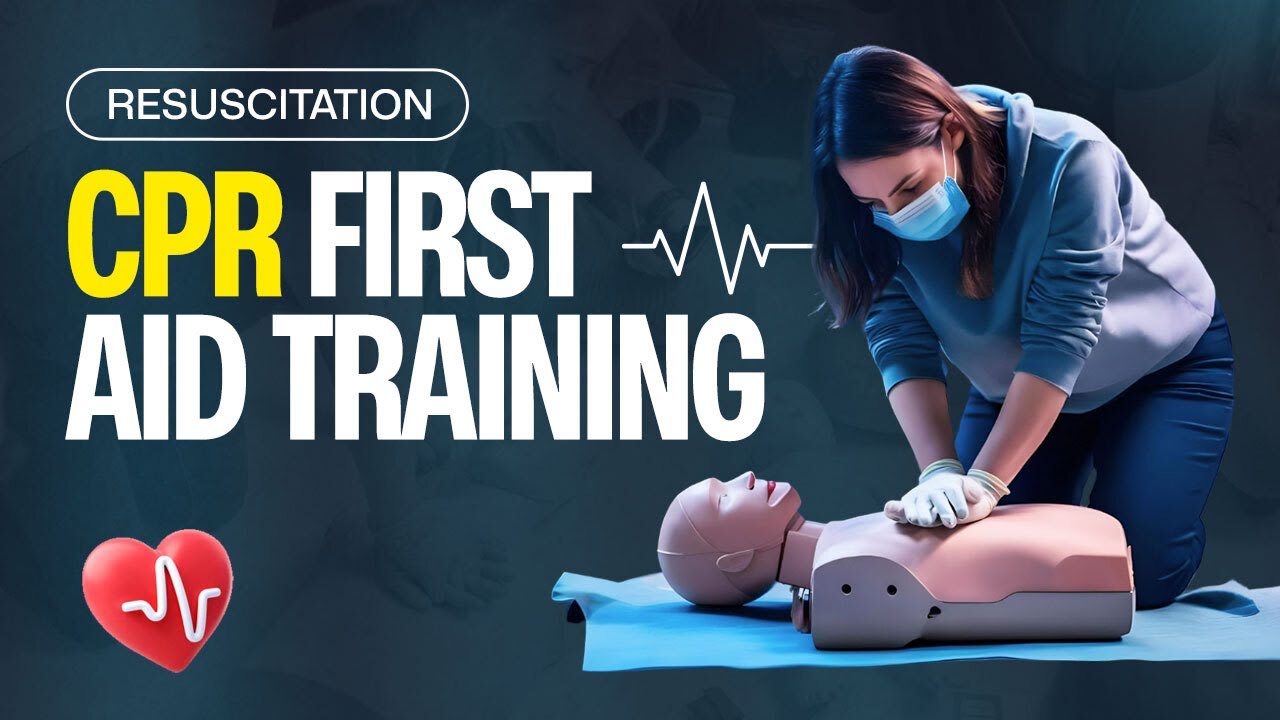
Child Defibrillation Support: What Every Instructor Demands to Know
Understanding how to react in an essential circumstance can conserve lives, particularly when it entails children. Child defibrillation guidance encompasses not just the technological skills required but likewise the psychological readiness and recognition necessary to act swiftly.
What is Child Defibrillation?
Defibrillation is a clinical procedure made use of to deal with first aid course and cpr dangerous heart dysrhythmias. In kids, making use of an Automated External Defibrillator (AED) can dramatically enhance the possibilities of survival throughout a heart event. Acknowledging symptoms early and having access to defibrillation devices is vital.
Why is AED Training Important for Educators?
Educators are frequently the initial responders in college emergency situations. Training in AED usage encourages them with the expertise needed to act emphatically. Furthermore, awareness of HLTAID012 provide emergency treatment in education makes certain that educators possess detailed first aid training tailored for instructional settings.
Building Instructor Confidence in Emergency Situation Situations
The Duty of Training Programs
Training programs concentrating on sensible skills and theoretical expertise furnish instructors with the required self-confidence to take care of emergencies. Consistently scheduled drills strengthen learning and aid create a calm environment during real-life scenarios.
Creating an Encouraging Environment
Establishing a society of safety and security within schools urges employee to speak up regarding problems and recommends renovations pertaining to child safety and security measures.
Recognising Bronchial asthma Symptoms in Children
Common Bronchial asthma Symptoms
Knowing how to identify bronchial asthma symptoms can prepare educators for punctual treatment:
- Wheezing Shortness of breath Chest tightness Persistent coughing
Emergency Action Procedures for Bronchial Asthma Attacks
In situation of a bronchial asthma strike, educators must comply with these actions:
Ensure the youngster rests upright. Help provide their recommended inhaler or nebulizer. Monitor their problem closely until assistance arrives.Choking Avoidance Approaches in Educational Settings
Understanding Choking Risks
Children are susceptible to choking because of their exploratory nature. Usual choking risks include small toys, food things, and classroom materials.
Implementing Choking Prevention Measures
To minimize dangers, instructors ought to:
- Conduct regular security audits. Educate kids concerning secure consuming habits. Keep harmful things out of reach.
Epipen Management: A Vital Skill for Educators
What is an Epipen?
An Epipen is a device used for providing epinephrine throughout serious allergic reactions (anaphylaxis).
Steps for Appropriate Epipen Administration
Recognize signs of anaphylaxis (trouble breathing, swelling). Retrieve the Epipen from its storage location. Administer based on training guidelines (generally into the outer thigh).Managing Minor Wounds: Important Emergency Treatment Skills
Types of Minor Wounds Frequently Encountered
Educators frequently manage:
- Cuts Scrapes Bruises
Steps for Managing Minor Wounds Effectively
Cleanse the location delicately with soap and water. Apply disinfectant ointment if available. Cover with a sterile plaster or dressing.Proper Hand Health Practices in Schools
Importance of Hand Hygiene in Stopping Illnesses
Regular handwashing reduces ailment transmission among trainees and personnel alike.
Best Practices for Hand Health in Educational Settings
Encourage regular handwashing prior to dishes and after making use of the restroom. Provide hand sanitizers throughout classrooms. Teach correct handwashing methods with engaging activities.Understanding Playground Mishaps: Safety And Security Procedures and Preventative Measures
Common Playground Injuries Among Children
Playgrounds can be sites of frequent injuries such as drops or collisions bring about contusions or fractures.
Preventive Actions Versus Play ground Mishaps
To guarantee play ground safety:
- Regularly check equipment. Establish clear guidelines relating to playtime behavior. Provide appropriate supervision during exterior activities.
Childproofing Techniques: Developing a Safe Discovering Environment
Why Childproofing Issues in Education?
Creating a secure setting reduces prospective hazards that could bring about accidents or injuries amongst pupils.
Effective Childproofing Techniques
Secure hefty furniture against walls. Use corner guards on sharp edges. Organize class materials appropriately out of kids's reach.Incident Coverage Protocols: Ensuring Accountability
Importance of Incident Reporting
Documenting events allows schools to examine patterns and implement safety nets efficiently while guaranteeing accountability among personnel members.
Steps for Effective Event Reporting
Record information instantly after a case occurs. Follow school guidelines for reporting procedures. Ensure all appropriate parties are informed regarding cases promptly.Immediate Action Duties for Educators
What Ought to Be Done Quickly After An Incident?
Educators must focus on trainee safety and security by evaluating injuries and providing emergency treatment when needed while alerting emergency solutions if required.
Maintaining Calm Throughout Emergencies
Staying made up not only aids reliable decision-making yet also helps comfort pupils that might be frightened or perplexed throughout emergencies.
Written vs Practical Elements of Emergency Treatment Training
Balancing Concept With Practice
Both written exams and practical presentations are vital elements of thorough emergency treatment training programs like HLTAID012 certification Australia.
Renewal Timelines: Maintaining Certifications Up-to-Date
All qualifications have particular revival timelines; keeping track guarantees that teachers preserve present understanding on ideal practices connected to youngster defibrillation guidance.
HLTAID012 Qualification Australia: Key Benefits
Completing this qualification furnishes educators with essential skills needed in emergency circumstances, boosting general safety and security standards within academic environments.
Baby mouth-to-mouth resuscitation Australia: Necessary Skills for Caregivers
Training on Baby mouth-to-mouth resuscitation prepares caretakers with life-saving skills particularly tailored in the direction of infants' one-of-a-kind physiology compared to older children.
Toddler First Aid Essentials Australia: Dealing With Typical Emergencies
Educators need to acquaint themselves with typical young child injuries such as burns or poisoning while being equipped with ideal emergency treatment responses accordingly.
Childcare Centre First Aid Set Australia: Must-Have Items List
Every child care center requires well-stocked first aid packages including essential materials varying from adhesive tapes to antiseptics which help manage minor injuries effectively.
First Aid For Youth Fever Australia: Guidelines For Caregivers
Understanding how finest to approach high temperatures empowers teachers by allowing them better management techniques when caring for sick children.
Childcare Security Threats Australia: Identifying Risks Early On
Regular assessments can assist recognize potential hazards present at childcare facilities ranging from risky playthings down hazardous surfaces outdoors.
Childcare Personnel First Aid Needs Australia: Keeping Standards High!
It's critical that all team member meet minimum needs set forth by governing bodies pertaining to training levels appropriate toward childcare-related practices.
First Help Essential For Moms And Dads Australia-- Empowering Families!
Providing moms and dads with necessary information outfits them much better manage small medical local CPR and first aid certifications emergencies influencing their kids along with strengthening communication between home & & school!
First Help For Kids With Disabilities Australia-- Comprehensive Approaches!
Special factors to consider need dealing with when giving ideal treatment tailored specifically toward those experiencing specials needs making sure fair therapy throughout all scenarios experienced within child care settings.

Frequently Asked Concerns(Frequently asked questions)
What is youngster defibrillation?
Child defibrillation refers specifically utilizing an Automated External Defibrillator(AED )developed explicitly for pediatric people experiencing serious heart events requiring instant intervention from trained employees such as educators within schools!
Why do teachers need AED training?
Educators inhabit frontline functions where they're often responsible responding prompt during emergency situations; thus having training increases self-confidence & equips them properly take care of unanticipated circumstances entailing trainees'wellness crises!
How typically ought to first aid qualifications be renewed?
Most certification programs recommend renewing every 3 years depending upon business plans regulating schools; staying existing makes sure expertise kept shows most current standards/practices!
What must be consisted of in a childcare centre's emergency treatment kit?
A thorough set need to consist of things such as band-aids, antiseptic wipes/sprays/treatments/ creams/gauze rolls/tape/scissors/ masking tape along other required devices useful handling minor injuries effectively!
How can we promote proper hand hygiene amongst students?
Engaging tasks incorporated consistent reminders combined sufficient resources like sanitizer terminals placed strategically throughout classrooms urge great practices amongst pupils promoting much healthier environments overall!
What actions must I take if I believe somebody has low blood sugar?
If you think someone might have reduced blood sugar levels supplying fast-acting carbohydrates such as fruit juices/candy bars would typically be adequate while checking their condition carefully till more assistance arrives!
Conclusion
In final thought, recognizing youngster defibrillation assistance is crucial for every instructor working within institutions today! By understanding basic skills bordering emergency situation response methods-- consisting of identifying bronchial asthma symptoms/choking prevention techniques/epipen administration/etc.-- educators equip themselves while boosting overall safety and security standards across classrooms! It's vital not only equip oneself sufficiently however also foster favorable partnerships between home & institution through efficient interaction where parents involved proactively engage helping support healthy environments benefiting everybody collectively!